Trinity Biotech Recalls Oxalate Reagent Kit Over Faulty Results: Health Canada
 Linda H.
Advertisement
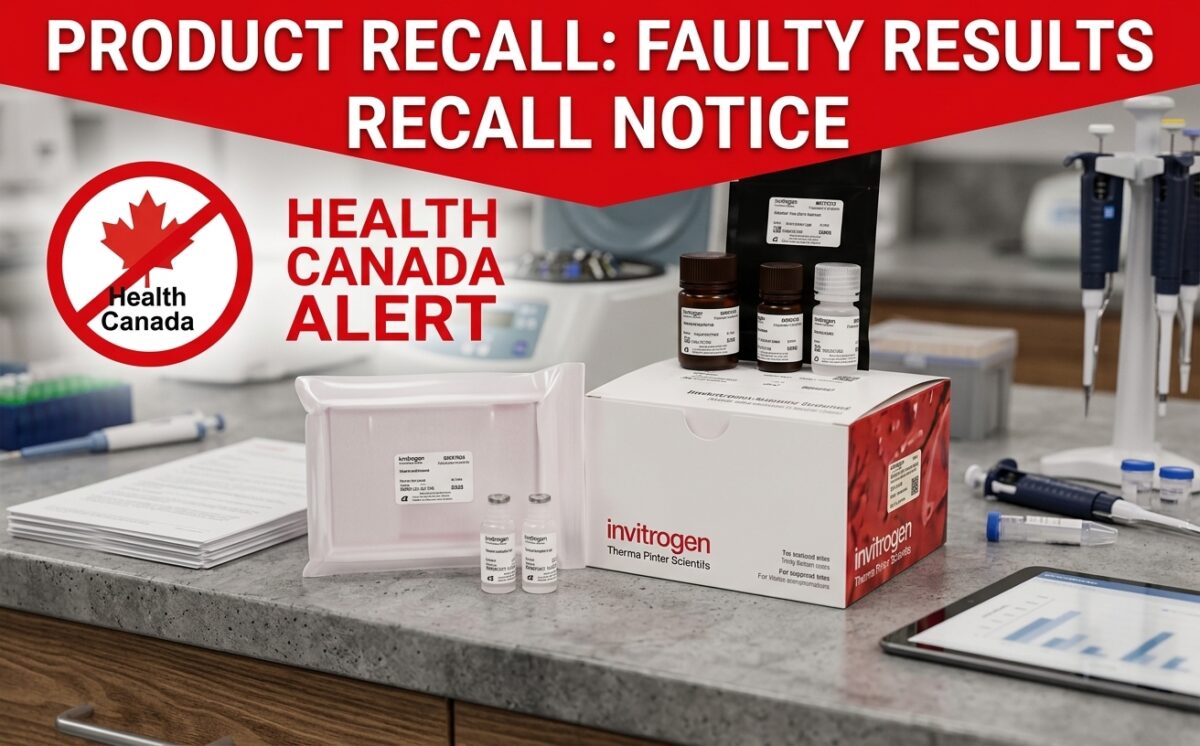
Health Canada has classified a recall of Trinity Biotech’s Oxalate Reagent Kit as a Type II health product recall, a category reserved for issues that could cause temporary or medically reversible harm. The recall, dated September 3, 2026, and published on September 17, 2026, targets a specific lot of the diagnostic reagent used in clinical laboratories to measure oxalate levels in patient samples.
Read Also
The affected item is Oxalate Reagent B, Product Code 591-2, from Lot 2500711. Trinity Biotech, the Ireland-based manufacturer headquartered at IDA Business Park in Bray, Wicklow, issued the recall after identifying performance variability in the reagent’s chemistry.
What Went Wrong?
According to Health Canada’s notice, the affected lot showed a negative bias and under-recovery of oxalate values during testing. In practical terms, this means the reagent can produce results that read lower than a patient’s actual oxalate level. Oxalate testing is typically used to help assess conditions such as kidney stone risk and certain metabolic disorders, so an artificially low reading could mask a clinically significant result.
Falsely low results carry real diagnostic weight. A clinician relying on an inaccurate ‘normal’ reading when the true value is elevated could delay further investigation or treatment for a patient who actually needs it. Health Canada’s summary specifically flags this potential for ‘falsely low patient results’ as the core concern driving the recall.
Advertisement
Read Also
Which Items Are Involved?
Only one lot is named in the recall notice:
- Product: Oxalate Reagent Kit (Oxalate Reagent B)
- Model/Catalogue number: 591-2
- Lot number: 2500711
- Recall identification number: RA-82642
- Recall class: Type II
No other lots or products from Trinity Biotech are named as affected in the current notice.
Who Is Affected?
This recall is directed at clinical laboratories, hospitals, and other healthcare and industry users who purchased and use the Trinity Biotech Oxalate Reagent Kit for diagnostic testing. Health Canada lists the intended audience as the general public, healthcare professionals, and industry, reflecting the fact that while the product itself is a professional laboratory reagent, its downstream results can affect patient care.
The recall applies across Canada, where the product has been distributed through Trinity Biotech’s Canadian channels for use in clinical chemistry testing.
What Should Laboratories Do?
Health Canada’s guidance is direct: facilities holding Lot 2500711 of the Oxalate Reagent Kit should discontinue use of the affected reagent immediately. Any remaining inventory from this lot should be quarantined and set aside from active use to prevent it from being run on patient samples.
Laboratories should also follow any specific recall instructions issued directly by Trinity Biotech, which may include steps for returning or replacing the affected stock, as well as reviewing recent test results generated using the flagged lot. Facilities with questions about the scope of the recall or how to handle already-reported results are advised to contact the manufacturer directly for additional information.
Regulatory Response
Health Canada published this recall through its official recalls and safety alerts database, categorizing it under health products, medical devices, and chemistry. The notice was issued as a Type II recall, a classification the agency uses when a product may cause temporary health consequences that are reversible, as opposed to Type I recalls, which involve a reasonable probability of serious harm or death.
The agency’s published summary states plainly that Trinity Biotech is recalling the reagent ‘due to performance variability resulting in negative bias and under-recovery of oxalate values, potentially causing falsely low patient results,’ and instructs users to discontinue use, quarantine inventory, and follow the recall instructions provided by the company.
Consumers and healthcare providers seeking more information or wishing to report a related health or safety concern can do so through Health Canada’s official reporting channels.
Official Source: View original notice on Health Canada →
Advertisement